

EFFICACY & SAFETY
Up to 72% of Patients Reported
Complete Corneal Healing After a
Single 8-week Course of Treatment1,*

Post hoc analysis: Corneal healing data over time1-3,*
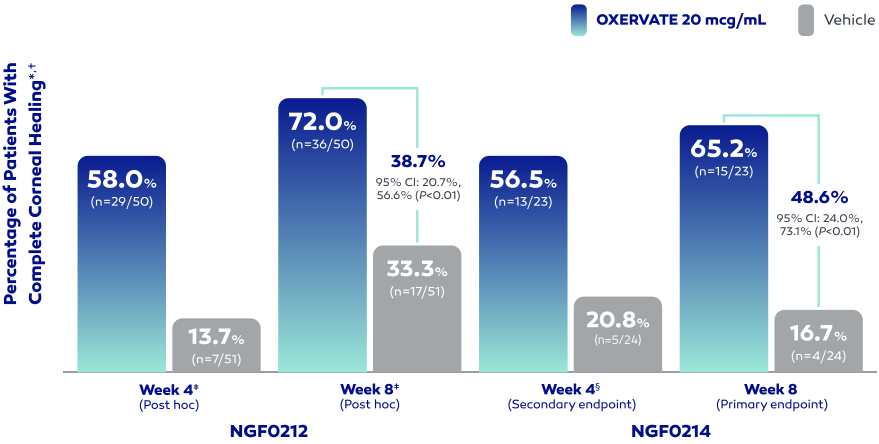
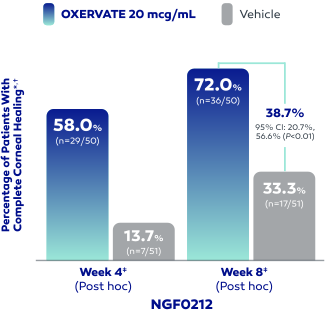
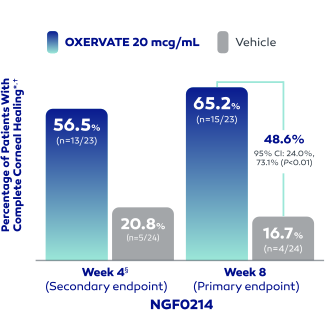
*In clinical trials, complete corneal healing was defined as the absence of staining of the corneal lesion and no persistent staining in the rest of the cornea at 4 and 8 weeks of treatment.
†Patients without any post-baseline measures were excluded from the analysis.
‡Post hoc analysis; results are exploratory and not powered or controlled for multiplicity. Treatment differences can be due to chance. No conclusion regarding these results can be made.
§Prespecified secondary endpoint not controlled for multiplicity. Treatment differences can be due to chance. No conclusion regarding these results can be made.
See the impact of OXERVATE
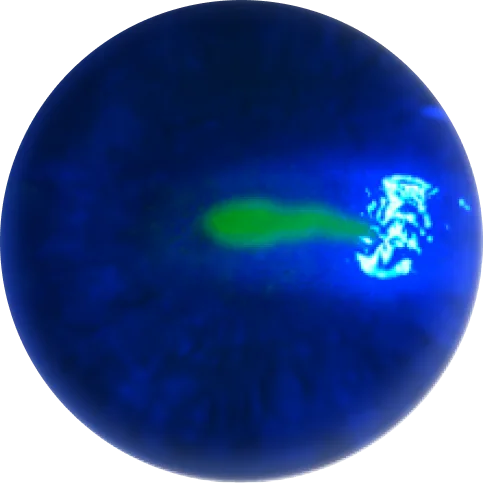
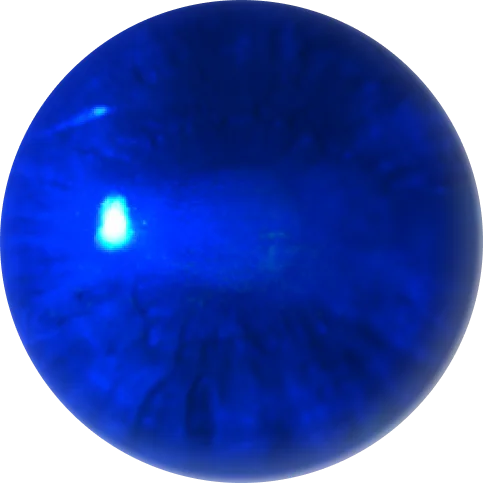
After one 8‑week course of OXERVATE, most patients achieved complete corneal healing1
Flip cards to see more
BASELINE
BASELINE
BASELINE
Images courtesy of Cecelia Koetting, OD and John Affeldt, MD.
BASELINE
8 WEEKS
BASELINE
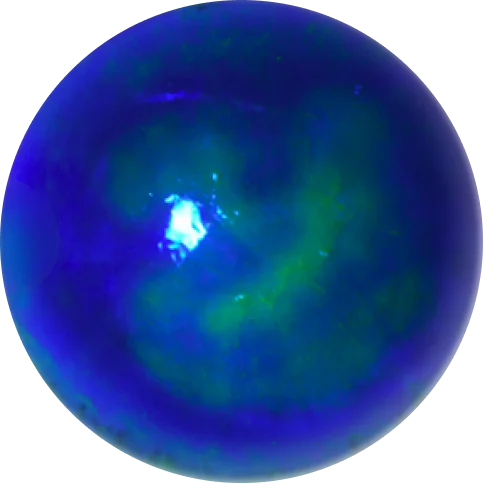
8 WEEKS
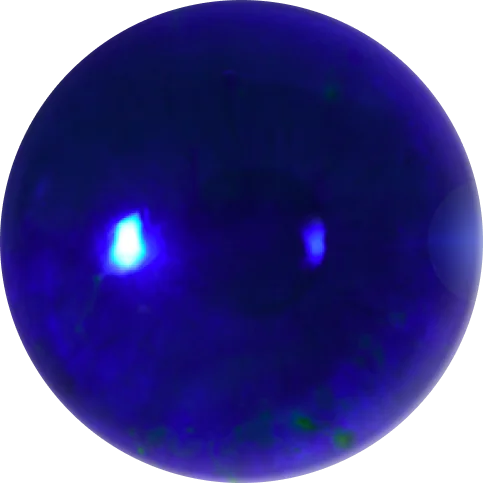
BASELINE
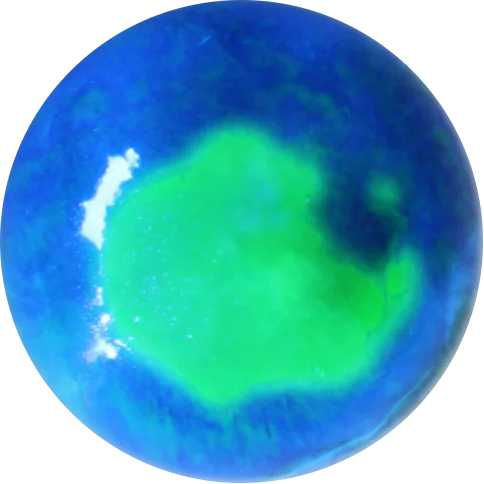
8 WEEKS
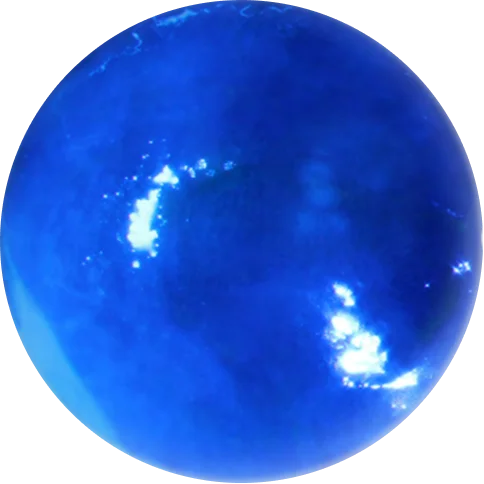
OXERVATE was evaluated in the largest clinical trial program
of patients with neurotrophic keratitis (NK)1-3
The clinical trial program consisted of 2 multi-center,
double-masked, vehicle-controlled trials
STUDY DESIGN
(randomized 1:1:1)
BASELINE CHARACTERISTICS
20 mcg/mL (n=52)
(n=52)
Stage 3
27 (51.9)
25 (48.1)
28 (53.8)
24 (46.2)
||The formulation that was tested did not include the antioxidant methionine and is not the final formulation that is marketed as OXERVATE. Methionine is an excipient added to the commercial formulation to improve its stability. More than 1 study was conducted with the final commercial formulation. No difference was seen in either of the trials.4
¶Unilateral.
#Not an all-inclusive list of the investigator-determined etiologies of NK in NGF0212.
STUDY DESIGN
(RANDOMIZED 1:1)
Vehicle
BASELINE CHARACTERISTICS
20 mcg/mL (n=24)
(n=24)
Stage 3
15 (62.5)
9 (37.5)
18 (75.0)
6 (25.0)
**Unilateral or bilateral.
††Not an all-inclusive list of the investigator-determined etiologies of NK in NGF0214.
OXERVATE has a well-established safety profile1
-
Eye pain was the most common adverse reaction, reported in ~16% of patients
Eye pain may arise as healing occurs - Other adverse reactions occurring in 1% to 10% of patients included corneal deposits, foreign body sensation, ocular hyperemia, ocular inflammation, photophobia, tearing, and headache
